
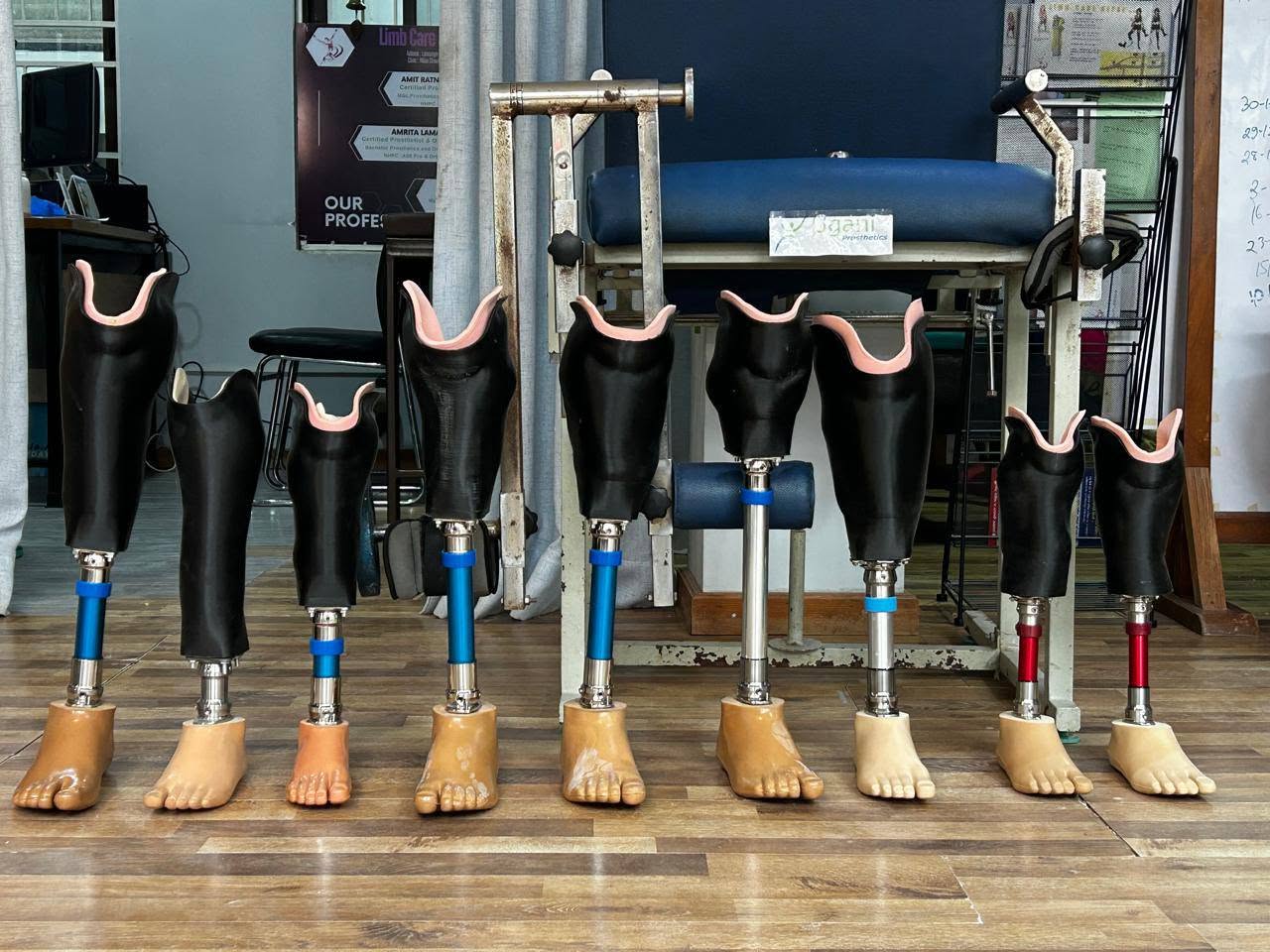
The Center for Disabled Children Assistance (CDCA), through financial support of UNICEF Nepal, Global Disability Innovation Hub (GDI Hub) and UGANI Foundation in coordination with Department of Health Services, Epidemiology and Disease Control Division, successfully implemented the project "Establish and Strengthen 3D Printed Orthotics and Prosthetics Centre to Enable Improved Participation of Children with Disabilities Preferably from Disaster Areas in Nepal." This initiative aims to improve access to assistive technology (AT) for person with disabilities, particularly those affected by natural disasters, by leveraging innovative 3D printing technology. A key priority of the project was to support individuals injured in the recent Jajarkot and Rukum earthquakes in Karnali Province. To achieve this, the project developed a comprehensive approach that combined infrastructure setup, capacity building, and direct service delivery. Two 3D printing lab were established - one at INF Shining Hospital in Surkhet and another at CDCA Nepal in Kathmandu. These centres are now fully operational, providing prosthetic and orthotic support to people in need. In total, 75 customized AT devices were provided to 67 users with some users receiving multiple devices, ensuring improved mobility and participation in daily life. A key component of the project was the training of 16 Prosthetists and Orthotists (P&O) professionals from across Nepal, equipping them with the knowledge and skills to utilize digital prosthesis technology effectively. The project also facilitated collaboration with government agencies, hospitals, and rehabilitation centers to ensure a coordinated approach toward assistive technology service delivery. The successful implementation of this project not only benefits individuals affected by disabilities but also strengthens Nepal's healthcare system by initiating digital workflow system into rehabilitation services. The project's learnings and outcomes will help shape future policies and programs to further support persons with disabilities in Nepal. Additionally, follow-up visits, clinical assessments and impact studies are under progress to evaluate the effectiveness of the devices and provide necessary adjustments. The lessons learned from this initiative will be instrumental in shaping future policies and interventions related to digital prosthetics in Nepal. Overall, the project has demonstrated the viability of 3D printing in transforming prosthetic and orthotic services. By integrating technology, capacity-building, and stakeholder collaboration, it has laid the foundation for a sustainable and scalable model that can be expanded to other regions in Nepal.